Skip to content

Homepage

EST
1917

Selling leather since 1917 — with bookbinding as part of the trade.

Leather for Fine Binding, Conservation & Restoration.

Genuine Levant. Sokoto™ Goatskin. SF Calf. CG, RRG, SHG. Sourced from the right places, vetted by Steve Siegel, and shipped only if it meets the standard.

Rijksmuseum. Harvard Library. Smithsonian. National collections worldwide.

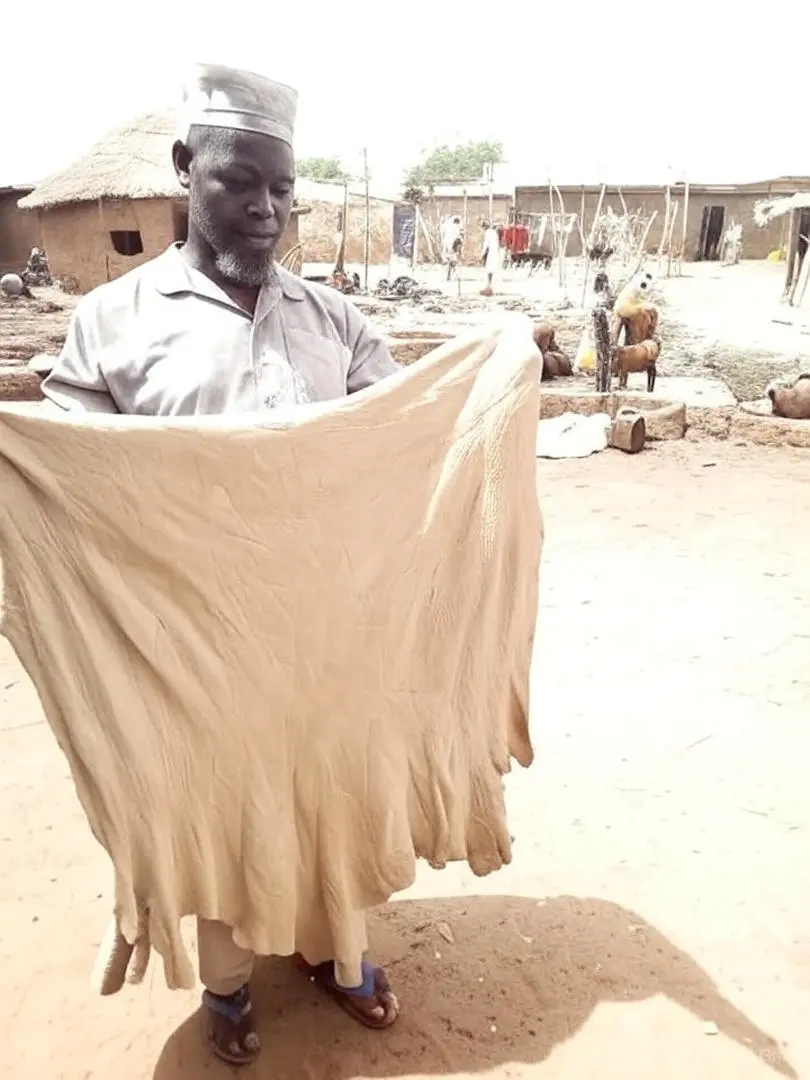
Local Botanical holding up genuine Sokoto™ Goatskin raw hide.
Our Genuine Sokoto™ Goatskin being tanned with local botanicals in our partner tannery in Sokoto™ Nigeria

Institution

Rijksmuseum

Institution

Harvard Library

Institution

Smithsonian

Notable Provenance

Saddlery for Reagan & G.H.W. Bush

A century of craft

We know this leather from the hide forward.

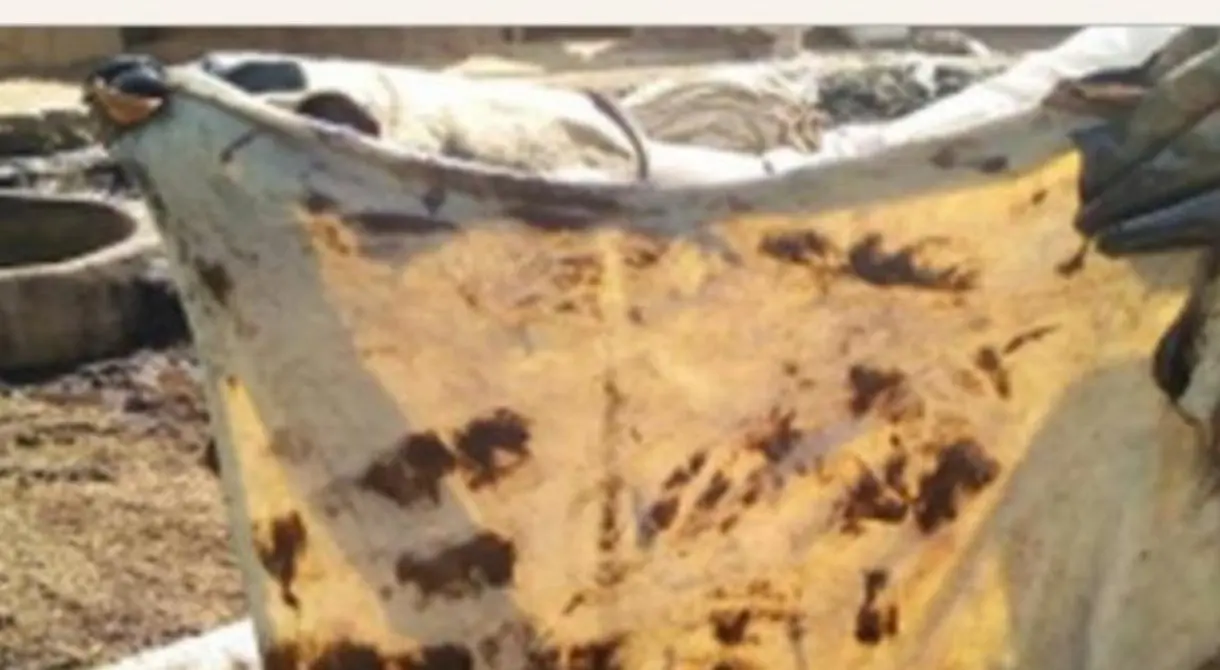
Raw Sokoto goatskin lifted from tanning pit, Sokoto, Nigeria
Raw Sokoto™ goatskin inspected at source, Nigeria
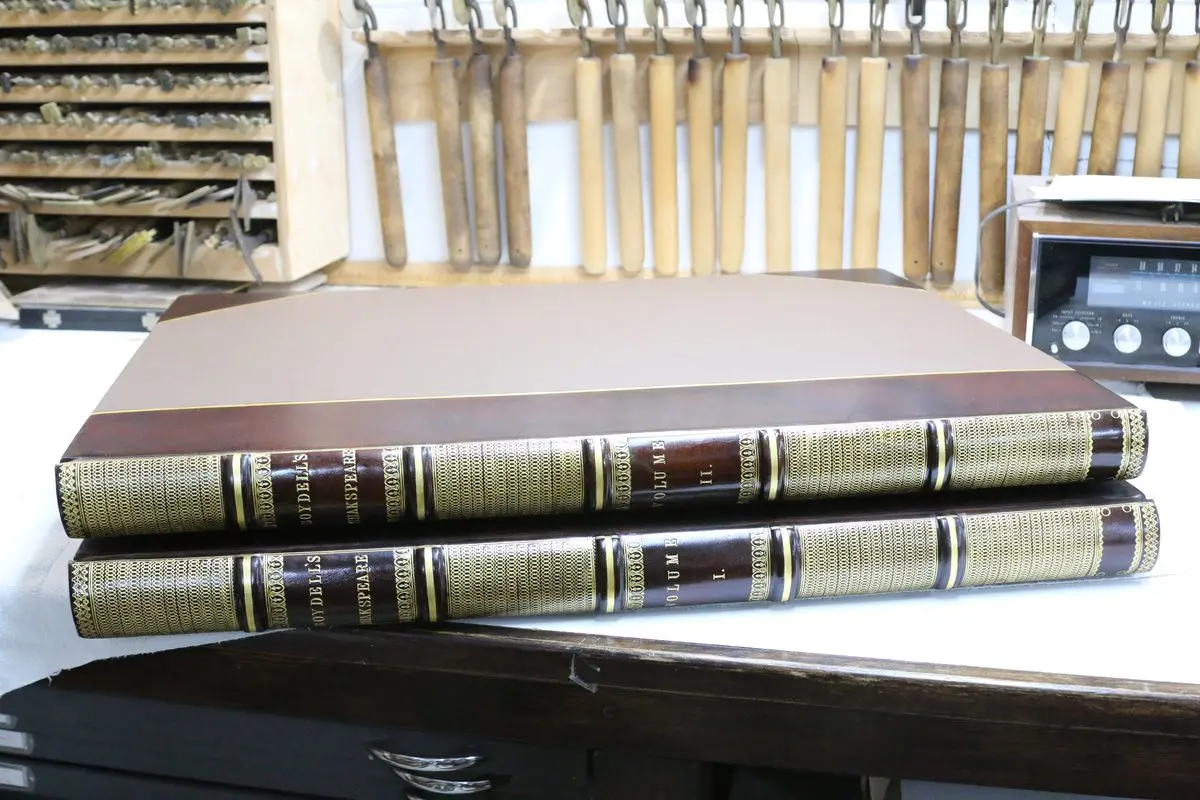
A selection of finished leather-bound volumes
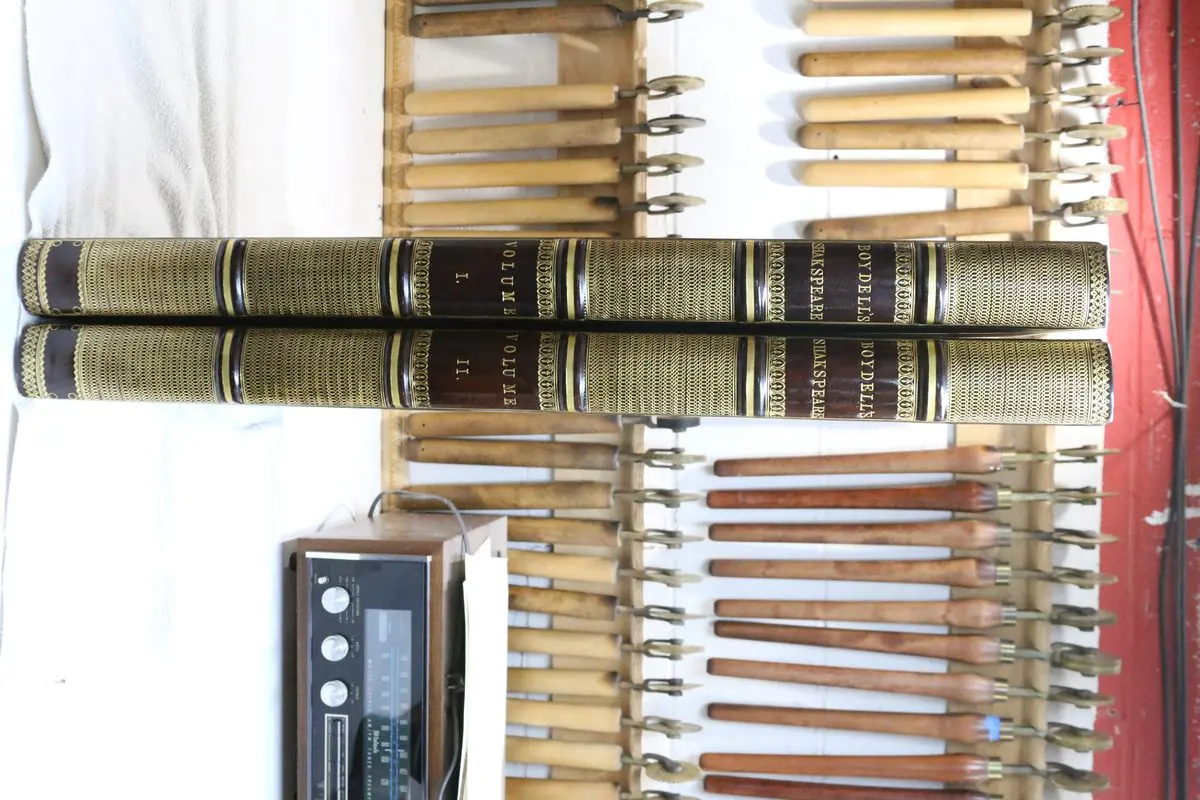
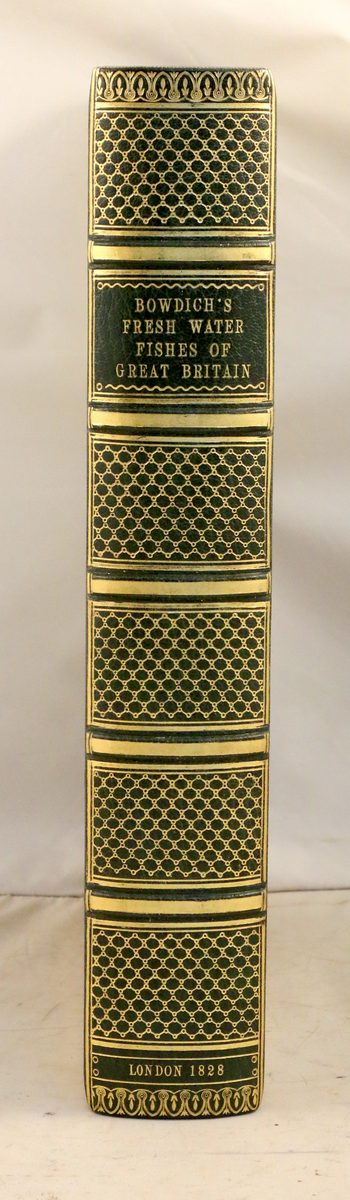
Sokoto goatskin spine and headband detail
Spine and headband detail — Sokoto™ goatskin

Rooted in history

We revive leathers no one else makes anymore.

Levant, NTND, Sokoto™ and our other leathers are not simply different finishes. They begin with the right raw skins, the right tannages, and methods developed to reproduce leather authentically and accurately.

Some of these leathers go back many hundreds of years. We reproduce the characteristics that made them useful then — not a modern finish that merely looks old.

True aniline. No pigment. No boarding or glazing. No surface manipulation. No shortcuts. No substitutions.
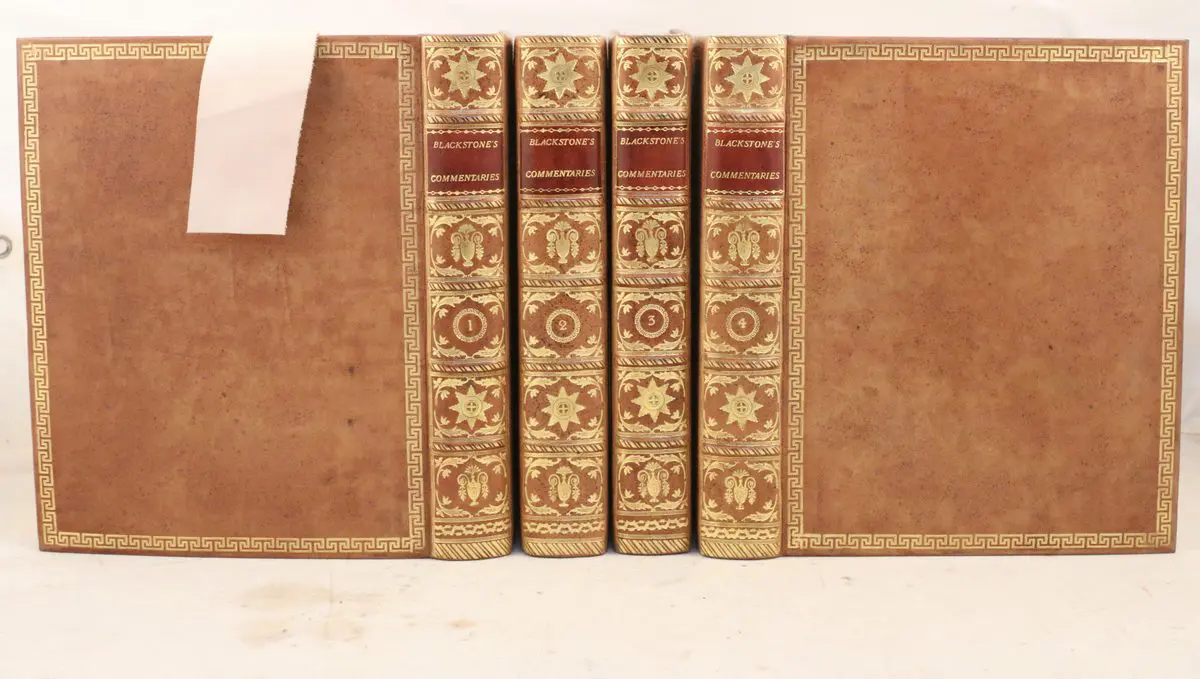
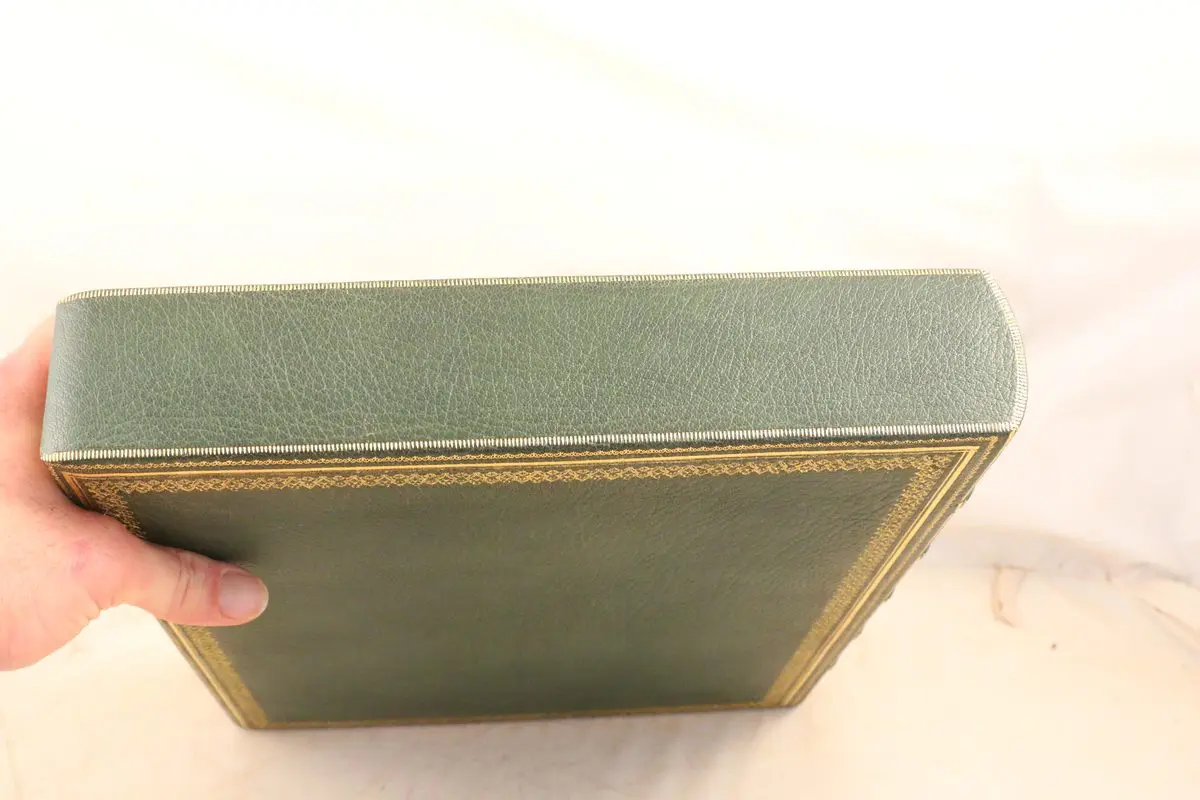
The Siegel standard

Why Our Leathers Are Different

Fit for purpose

Tanned and finished for binding. Strong where structure demands it. Flexible where the spine must move.

True aniline, lab-verified

Certified metal-free. 100% vegetable-tanned. Free of harmful residues. Tested, not assumed.

Historically accurate leather

The skin, grain, tannage and working characteristics all matter. Genuine Levant comes from the tradition of the old Ottoman Empire, while our other leathers are reproduced from historically correct methods and raw materials.

Leather sold as “archival” should meet every one of these criteria:

  • Pyrogallol tannins only (sumac, tara, myrobalan). Catechol tannins cause red rot.
  • No grain manipulation. No embossing, pressing, or boarding.
  • Not sourced through commodity or industrial leather markets, where improper pre-tanning can create problems that cannot be undone later.
  • No syntans.
  • No pigment or surface coating.
  • True aniline throughout.

The source and pre-tanning matter as much as the finished leather. Improper pre-tanning cannot be undone later, which is why archival leather must be selected correctly from the beginning.

See the full comparison ?

Why trust Steve’s eye

You are not buying from a warehouse.

Steve Siegel has spent decades seeking out the tanneries and workshops that still work the old way — and personally evaluating every skin against the standards he has refined over a lifetime in the trade.

Ask Steve a question about leather. You get an answer backed by a lifetime in the trade.

Leather trade since 1917

Personal relationships at source

Supplier to Rijksmuseum & Smithsonian

Expert in historical leather & tanning

Direct sourcing — Nigeria, the Levant & beyond

Expert witness

Leather knowledge that stands up to scrutiny.

Steve Siegel is available as an expert witness on leather, leather quality, sourcing, tanning and historical accuracy.

His work is grounded in decades of handling leather, evaluating skins at source, understanding tannages and producing leather to historically accurate standards. That same knowledge is what guides every leather Siegel sells.

In their words

What customers say

Customer testimonials are part of the proof behind the leather. They show how the materials perform in actual binding and conservation work.

“I’m a beginner — found Siegel through a Reddit recommendation. They were out of the leather I ordered, contacted me directly, and offered a substitute at no extra cost.”

First-time customer · rebinding family Shakespeare volumes

“I’ve purchased Siegel’s leather for over 40 years. The goatskin has only improved — and Levante tools easier than almost anything else I’ve worked with.”

40-year customer · Levant goatskin

“I switched after discovering what chrome tanning was doing to my bindings over time. Siegel’s vegetable-tanned stock has held up exactly as promised.”

Returning customer · conservation rebinding

The collection

A sampling of our bookbinding leathers

SF Calf leather close-up

SF Calf

Conservation · Fine binding

Supple, historically accurate. Ideal for gold tooling and tree calf work.

View SF Calf ?

Genuine Levant goatskin bookbinding leather

Genuine Levant

Fine binding · Edition

Genuine Levant goatskin with a grain made so it can be easily crushed. Deep, saturated colour. Tools cleanly.

The Levant tradition associated with Sangorski & Sutcliffe.

View Genuine Levant ?

Sokoto goatskin leather texture

Sokoto™ Goatskin

Conservation · Edition

The goatskin Cockerell preferred. Tight grain, resilience, documented provenance.

View Sokoto™ Collection ?

Conservation Calf leather for institutional binding

Conservation Calf

Archival · Museum

Chemistry and structure tuned for institutional work. No compromises.

View Conservation Calf ?

Photography by Wes Baker

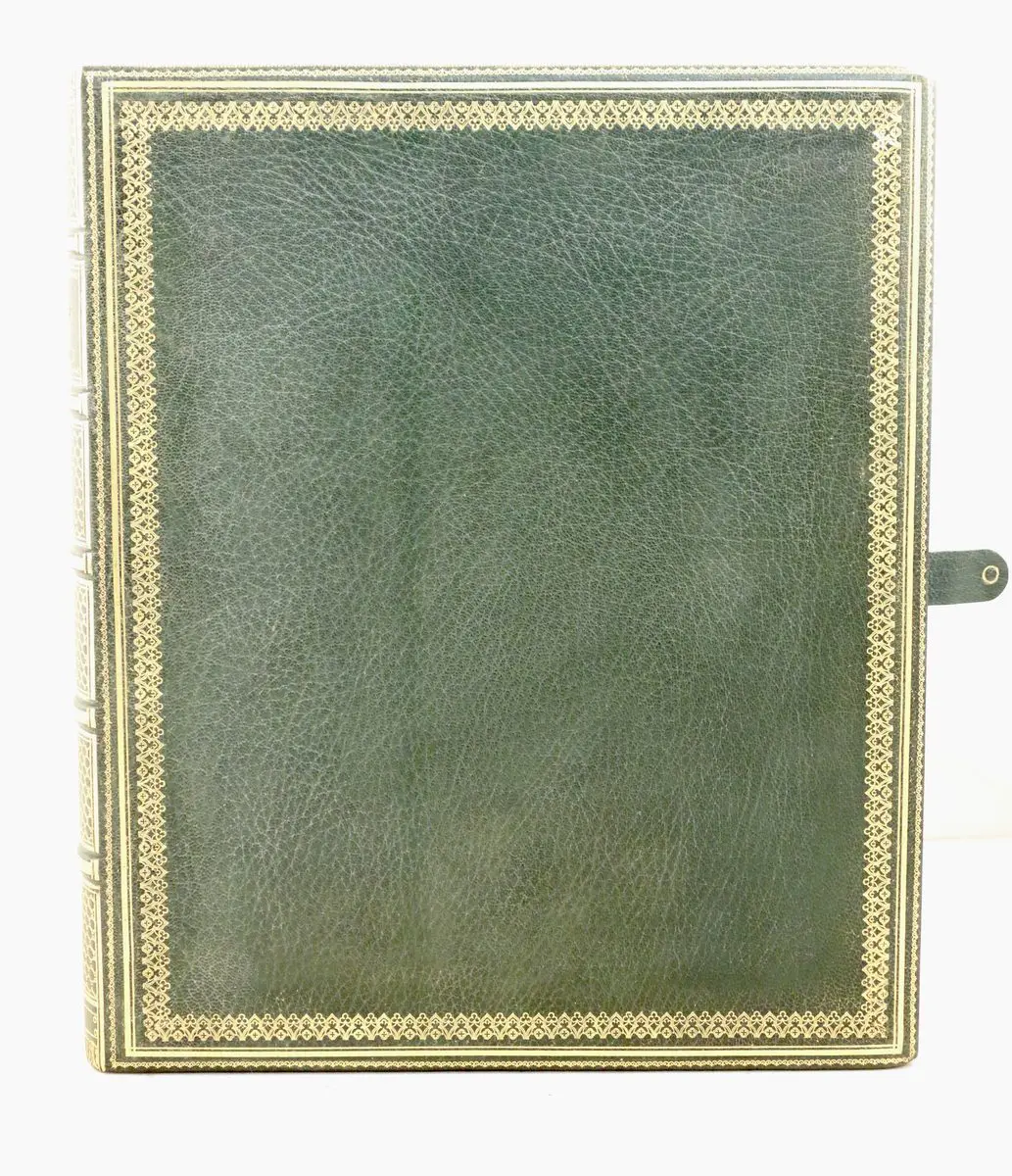
SF Calf leather strap and closure detail
SF Calf — strap and closure detail
Genuine Levant open folio showing grain texture
Genuine Levant — open folio, grain visible
Sokoto goatskin stacked volumes showing cover grain
Sokoto™ Goatskin — stacked volumes, cover grain

Latest leather knowledge

Expertise you can verify before you buy

Standards

Why “full grain leather” doesn’t mean what you think anymore

How the classical definition diverged from the modern EU standard — and why that gap matters when you’re paying for “full grain.”

Technical

Reading the Sokoto™ conservation-grade white paper

A plain-language walkthrough of the lab data behind our most-cited archival goatskin.

History

Tracing Sokoto™ back to Freudenberg and Cockerell

The century-long chain of custody connecting today’s hides to the binderies that first prized them.

Not sure which leather fits your work?

Tell Steve what you’re binding. Edition, restoration, or your first book. He’ll tell you exactly which leather belongs on your bench.

Typically answered within one business day by Steve personally.